Business Automation

Remove the repetitive copying, chasing and re-keying that quietly consumes hours of staff time every week.

  • Scheduled reports that arrive without anyone preparing them
  • Enquiries routed to the right person automatically
  • Approved data flowing between systems instead of by hand
Explore Business Automation

Retail, Ecommerce and POS

Get your point of sale, online store, stock and fulfilment telling the same story instead of contradicting each other.

  • Online and in-store stock that reconciles
  • Orders and tracking moving without re-keying
  • One comparable view of every location
Explore Retail, Ecommerce and POS

Restaurant Technology

Websites, menus, reporting and promotional workflows built around the reality that hospitality staff are busy during service.

  • One menu source, updated across every supported platform
  • A daily sales summary that arrives on its own
  • Promotional posts prepared ahead and approved in seconds
Explore Restaurant Technology

Website Development

Fast, accessible websites that explain what a business actually does and connect to the systems behind it.

  • Enquiries that arrive as structured information, not unorganised emails
  • Form submissions sent directly to your business systems
  • Pages that load quickly on a phone on mobile data
Explore Website Development

AI Solutions

Narrow, well-guarded AI applied to jobs where it genuinely helps, with a person kept in the loop for anything that matters.

  • Staff finding policy answers in seconds, with sources shown
  • Shared inboxes sorted and drafted, not auto-sent
  • First drafts prepared from approved source material
Explore AI Solutions

Reporting and Data

Turn the numbers scattered across your systems into a consistent view that management can act on.

  • Agreed metric definitions everyone reports against
  • Dashboards that refresh without manual preparation
  • Exception reports that surface problems early
Explore Reporting and Data

Industries

Where these services get used

The technical work is similar across industries; the operational context is not. These are the settings ByteX works in most often, and the problems that typically bring each one to the table.

Retail and multi-location stores

Stock that disagrees between the shop floor and the website, catalogues maintained in three places, and no comparable view across locations.

Restaurants, cafes and takeaway

Menus and prices that drift apart, social posting that stops during busy weeks, and sales figures that arrive days late.

Ecommerce and Shopify merchants

Orders and tracking moved by hand between the store, the warehouse and the carrier, and product data that fails every import.

Wholesalers, distributors and logistics

Catalogue and pricing tiers maintained manually, fulfilment status scattered across systems, and stock issues found at stocktake.

Professional and service businesses

Enquiries arriving through several channels, recurring reports rebuilt by hand, and a website that collects information nobody can use.

Businesses running on Microsoft 365

Licences already paid for and barely used beyond email, with critical processes still living in shared spreadsheets.

How work is delivered

Planned, scoped and remote

Work is delivered through planned consultations and project-based remote implementation. Scope, timing and review points are agreed in advance rather than handled ad hoc.

  • Discovery conversations are free and carry no obligation.
  • Feasibility against your actual platforms is confirmed before a build is quoted.
  • Scope, exclusions and third-party dependencies are written down.
  • Consultations are typically arranged on weekday evenings or Saturdays, with email-based discussions available where preferred.
What ByteX does not offer

ByteX focuses on planned improvement, integration and development projects. It does not provide emergency help-desk or 24/7 outage support. For urgent operational faults, contact your platform vendor or managed IT provider.

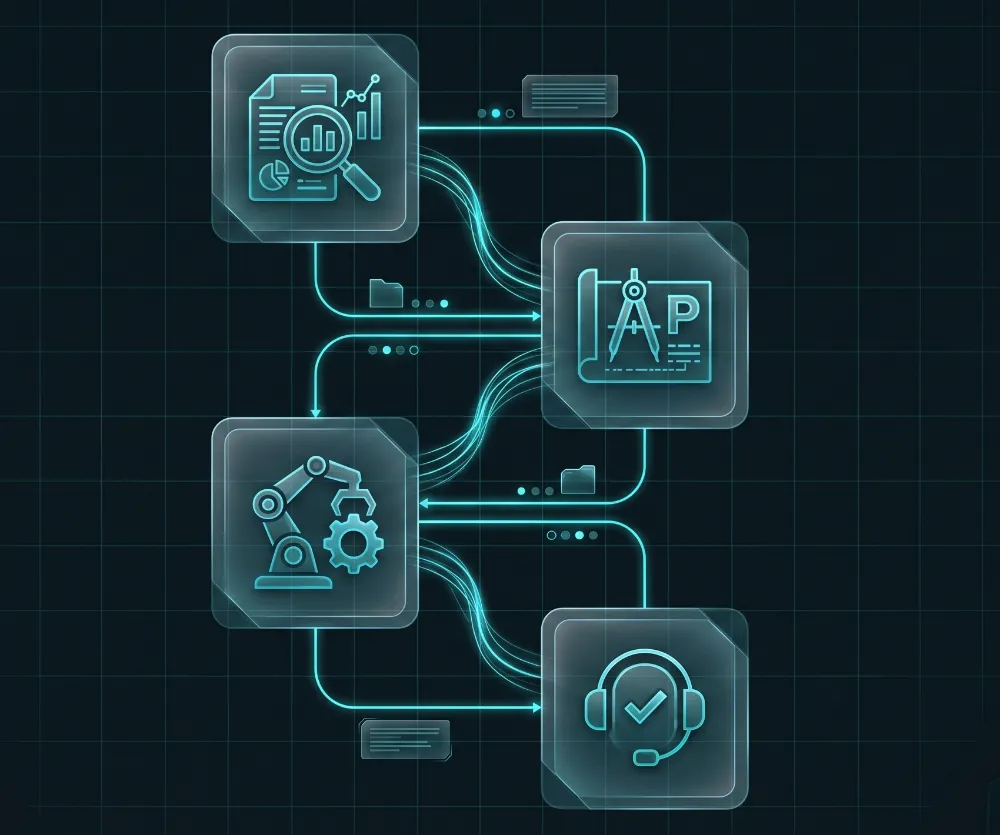
  1. Understand

    We talk through the business problem and the current workflow: who does the work, how often, and where it breaks down.

  2. Review

    We identify the systems involved, confirm what their APIs and permissions actually allow, and set out requirements, risks and options.

  3. Build

    We configure or develop the agreed solution against a written scope, with validation and logging built in from the start.

  4. Improve

    We test with real data, document the result, hand it over, and agree what planned improvements or maintenance make sense.

Next step

What is your team still doing manually?

Tell ByteX about the process, system or reporting problem you want to improve.